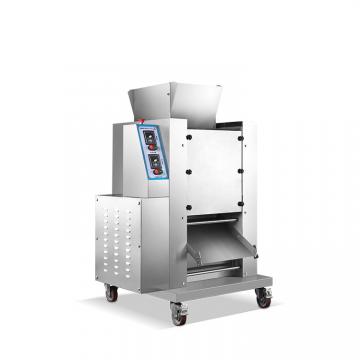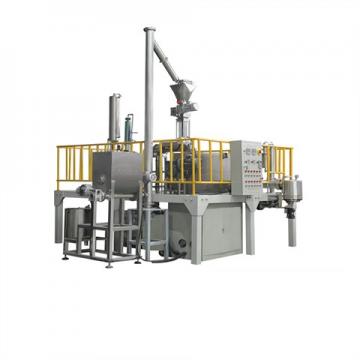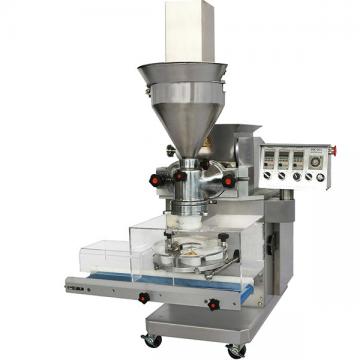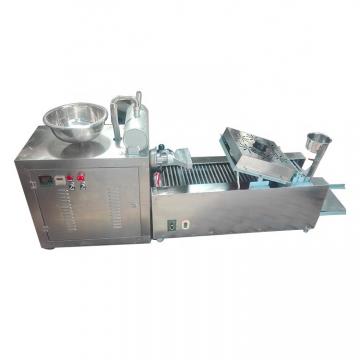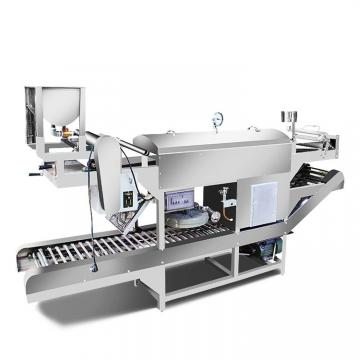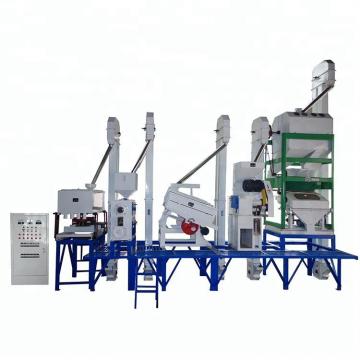
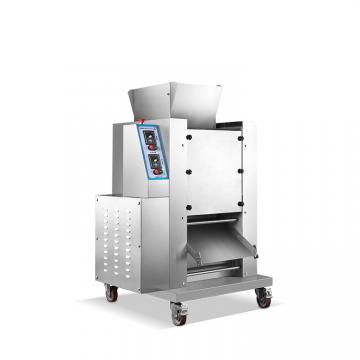
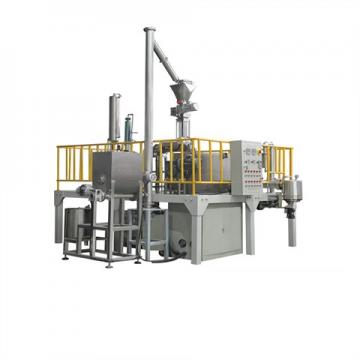
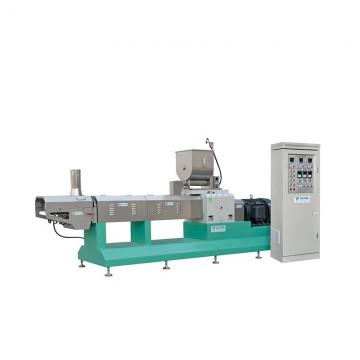
- Model Number:
Kbm-150
- Min.Order Quantity:
- Negotiation
- Price:
- Negotiation
 English

See More
Paramenters
| Model | D-65 | D-85 | D-100 |
| Voltage customized | 380V/50Hz | 380V/50Hz | 380V/50Hz |
| Installed power | 80kw | 95kw | 130kw |
| Power consumption | 60kw | 70kw | 97kw |
| Capacity | 200-250kg/h | 300-400kg/h | 700-1200Kg/h |
Advantages
low manufacture cost, easy to make, good pro duct quality, low starch, rich nutrient, smooth and beautiful in finished product
appearance and colors, good bonding performance, soft texture, not easy to get aging. It not only can be eaten directly, but also
can be enjoyed in accordance with the characteristics of natural rice. It can meet some special people’s demand such as diabetics.
Our Services
Before sale services:
1.Provide the free consultation of the equipment
2.Provide the standard device and the flow chart
3. According to the clients’ special requirement, offering the reasonable plan and free design helping to select the equipment.
Services during the sales:
1.Help client design the factory and offering professional advice, free engineering drawing for the factory layout.
2.Welcome to visit our factory or the domestic clients’ factory.
3.Inspect the machine before leaving the factory.
After sale services:
1. Oversea install and debug the equipment.
2. Train the first-line operator.
3. Provide the basic formula
4. Operation/ Service/ Maintenance Manual: Provided In English.